
Are High-Density EVA Foam Seats Suitable for Public Transport Seats That Have a High Frequency of Use?
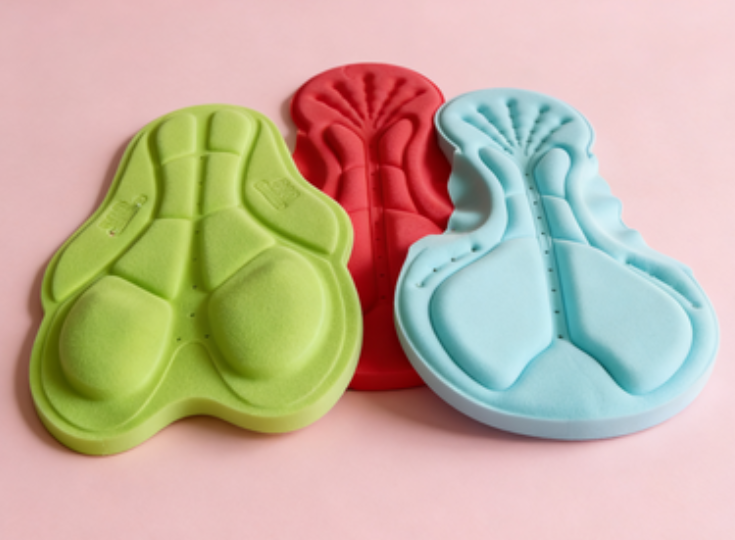
Public transport systems face constant pressure to improve comfort, safety, and durability. Seats endure heavy use throughout long service hours, and operators need materials that perform well under continuous stress. Because of this need, the high-density EVA foam seat has gained attention across global transit projects. This article explains its performance, benefits, and suitability for high-use environments. It also highlights why choosing Youfeng’s EVA foam seat strengthens safety and comfort in public spaces.
Understanding High-Density EVA Foam as a Seating Material
High-density EVA foam offers strong resilience, reliable support, and controlled softness. Its closed-cell structure delivers long-term stability during repeated compression. Transit operators value these features because crowded systems generate major mechanical stress on seating surfaces.
Material Structure Supports High-Frequency Performance
EVA foam contains uniform cells that resist deformation. This structure maintains seat shape even when thousands of passengers use it each day. Moreover, the consistent density helps the seat recover quickly after pressure events. Therefore, the foam protects comfort levels despite long operating cycles.
Shock Absorption Enhances User Experience
Transit vehicles create continuous vibrations and impacts. High-density EVA foam reduces these forces and produces a smoother seating experience. Passengers benefit from lower body fatigue during long rides. Operators also benefit because reduced impact energy slows seat wear.
Evaluating Durability for High-Use Transport Environments
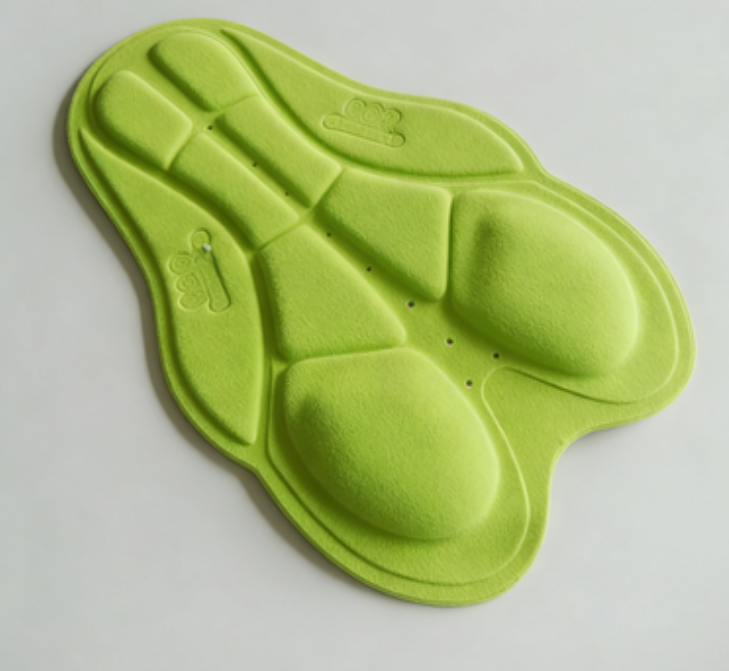
Durability remains a primary concern in public transport. High-density EVA foam seats show strong endurance because their structure resists cracking, tearing, and sinking. Additionally, operators can extend replacement cycles, which lowers long-term costs.
Mechanical Strength Withstands Daily Stress
High-density EVA foam offers strong tensile and compressive performance. It handles repeated loading without losing volume or firmness. For instance, rush-hour cycles often place extreme pressure on seats, yet the foam maintains its structural integrity.
Resistance to Environmental Degradation
Transport environments expose seats to humidity, temperature shifts, and contaminants. EVA foam resists moisture absorption and chemical erosion. Consequently, it stays hygienic and stable across long service periods.
Comfort and Ergonomic Value for Daily Passengers
Passenger comfort drives satisfaction and repeat ridership. High-density EVA foam seats deliver stable support while reducing pressure points. Transit agencies rely on this feature to improve user experience on buses, trains, ferries, and trams.
Balanced Firmness Enhances Body Support
High-density EVA foam provides firm support without harsh rigidity. Riders experience a balanced seating surface that adapts to body contours. As a result, comfort levels remain consistent across trips of different lengths.
Fast Recovery Improves Long-Term Comfort
EVA foam compresses gently under weight but quickly returns to shape after each use. This rapid rebound keeps the seat fresh for the next passenger. It also prevents long-term deformation that usually reduces comfort.
Safety Benefits for High-Use Public Transport
Safety plays a central role in seating design. High-density EVA foam improves safety outcomes because it absorbs impact energy and reduces injury risks during sudden movements or collisions.
Impact Reduction Protects Passengers
Transit vehicles may stop abruptly. EVA foam reduces the force transmitted to the passenger during these events. The energy absorption lowers injury probability and supports safe travel.
Slip Resistance Strengthens Stability
Many EVA formulations deliver a lightly textured surface. This texture improves grip, helps passengers stay stable during motion, and minimizes slipping events.
Cost and Operational Efficiency for Transport Operators
Operators evaluate new materials through a cost-performance lens. High-density EVA foam seats create long-term economic value because they last longer and require fewer replacements.
Extended Lifespan Reduces Operating Costs
Traditional seat materials degrade quickly under heavy use. EVA foam extends lifespan significantly due to its compression resistance and environmental durability. Consequently, operators reduce both material and labor costs.
Easy Installation Supports Fast Deployment
EVA foam seats remain lightweight and highly customizable. Their flexibility accelerates installation and refurbishment work. Operators save time and maintain high fleet availability.
Why Choose Youfeng’s EVA Foam Seat for Public Transport?
Selecting a reliable seat supplier directly influences comfort, safety, and efficiency. Youfeng provides EVA foam seats engineered for high-frequency use. These seats combine strong comfort, solid durability, and tested safety features.
Additionally, Youfeng offers precise customization to match public transport seating standards. Operators who choose Youfeng’s EVA foam seat gain improved comfort, enhanced safety, and stable long-term performance in public transport environments.
Conclusion
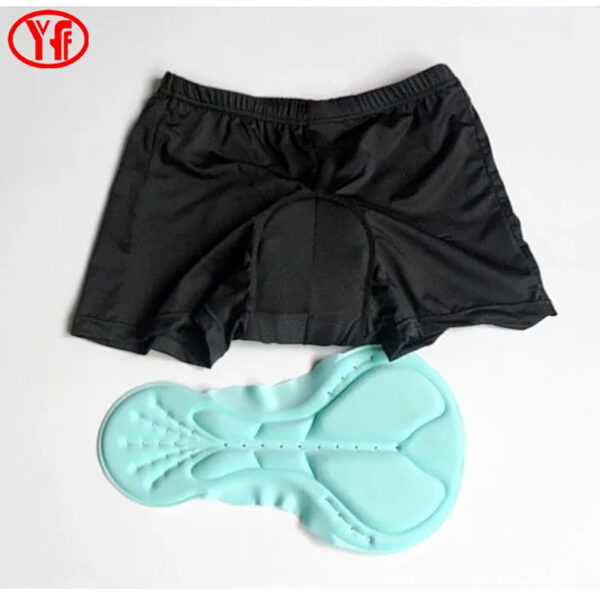
High-density EVA foam seats offer strong value in public transport systems with heavy daily usage. They deliver durability, safety, and comfort through robust material structure and long-term stability. Moreover, the foam resists environmental stress and maintains ergonomic performance across long periods. When transit operators choose Youfeng, they elevate both safety and comfort in public environments while improving operational efficiency.
FAQs
1. Do high-density EVA foam seats maintain firmness over time?
Yes. Their closed-cell structure supports long-term firmness and stable rebound under heavy daily use.
2. Are EVA foam seats safe for crowded transport systems?
Yes. They absorb impact energy and provide strong support, which improves passenger safety.
3. Can operators customize EVA foam seats for different vehicle models?
Yes. EVA foam allows flexible shaping and design, which supports diverse transport seating layouts.
